

Midwifery Pathways Map
For learners of every age, and the educators, families and employers who support them.
Whether you are in middle school, finishing high school, changing careers, or simply curious about how we care for one another, this map is for you. Start where you are and see what comes next through community enrichment classes that build body literacy and health knowledge, exposure to the people who do this work, and a clear, supported route into service rooted in stewardship of kaʻāina and our communities.
-
We build this because many of Hawaiʻi’s healthcare providers come from elsewhere, and for local students the pathways into service are not always clear or existing support for learners well-known. Imagine a Hawaiʻi where the people caring for our families primarily grew up here, trained here, and chose to stay. With the support of a Richard Smart Fund grant, and years of community conversation behind us, we have begun making visible the routes into allied healthcare and professional midwifery, from middle school through graduate school. If you are an allied provider working within the Midwifery Model of Care, we’d love to add you to the map. Let’s build this together.
Tap your level to see programs, funding, and jobs.
Start where you are
PROFESSIONAL MIDWIFERY
Each credential has its own education and licensing path. LCBC mentors students on all three.
Three recognized tracks
Certified Nurse-Midwife (APRN/CNM)
Become a registered nurse first, then complete a remote master’s in nurse-midwifery.
Details and path CMCertified Midwife (CM-Rx, LM)
Earn a bachelor’s here at home, then a remote master’s in midwifery. Nursing isn’t required.
Details and path CPMCertified Professional Midwife (CPM, LM)
Train through an accredited program or apprenticeship, then certify with the NARM exam. Nursing isn’t required.
Details and pathChoose a path to see suggested steps, one at a time.
Where are you headed?
Pick a path above to see it step by step.
Doula, lactation counselor, community health worker, midwife assistant, or cultural health practitioner. Many of these can start within a year of high school.
- 1Middle School · LearnKnow Your Flow game & circlesBody literacy for youth & families
- 2High School · LearnWork-based learningInternships, mentoring, shadowing
- 3Certifications · LearnMidwife Assistant TrainingHands-on series, no fee
- 4Certifications · WorkCommunity-Based Doula ProgramHealthy Mothers Healthy Babies
- 5Community College · LearnCommunity Health Worker certificateCertificate of Competence (CO)
- 6Community College · WorkLCBC enrichment & pathways supportEntry-level service, community classes
Become a registered nurse first, then complete a remote master’s in nurse-midwifery.
- 1Middle School · LearnKnow Your Flow game & circlesBody literacy for youth & families
- 2High School · LearnHealthcare-track courseworkCareer pathways & certification prep
- 3Certifications · LearnEntry-level certifications by careerCNA, BLS, CHW, phlebotomy & more
- 4Community College · LearnNursing: ASN-RN & Practical NursingHawaiʻi Community College
- 5University · LearnUH Hilo Nursing: BSN & RN-to-BSNSchool of Nursing
- 6Graduate School · LearnRemote CM & CNM programs6 programs familiar to Hawaiʻi students
- 7Graduate School · FundingLoan repayment programsHELP · HSLRP · Nurse Corps
- 8Graduate School · WorkLCBC fellowship & sustainable practiceBegin your career at home
A master’s-level midwifery credential that does not require nursing. Finish a bachelor’s here in Hawaiʻi, then go to a remote graduate program.
- 1Middle School · LearnKnow Your Flow game & circlesBody literacy for youth & families
- 2High School · LearnDual-credit & AP coursesEarn college credit early
- 3Certifications · LearnMidwife Assistant TrainingHands-on series, no fee
- 4Community College · LearnCounseling & “First Year Here at Kō”Hawaiʻi CC · Honokaʻa
- 5University · LearnCM & CNM: building your prerequisitesBachelor’s here → remote master’s
- 6Graduate School · LearnRemote CM & CNM programs6 programs familiar to Hawaiʻi students
- 7Graduate School · FundingLoan repayment programsHELP · HSLRP · Nurse Corps
- 8Graduate School · WorkLCBC fellowship & sustainable practiceBegin your career at home
Out-of-hospital midwifery through a MEAC-accredited program or local apprenticeship, then the NARM exam.
- 1Middle School · LearnKnow Your Flow game & circlesBody literacy for youth & families
- 2High School · LearnHealthcare-track courseworkCareer pathways & certification prep
- 3Certifications · LearnMidwife Assistant TrainingHands-on series, no fee
- 4University · LearnCPM: MEAC programs & apprenticeshipPrepare for the NARM exam
- 5University · FundingCPM student scholarshipsPrivate & foundation awards
- 6Graduate School · WorkLCBC fellowship & sustainable practiceBegin your career at home
From Certified Nurse Aide to RN, BSN, and the UH Hilo Doctor of Nursing Practice.
- 1Middle School · LearnKnow Your Flow game & circlesBody literacy for youth & families
- 2High School · LearnHealthcare-track courseworkCareer pathways & certification prep
- 3Certifications · LearnEntry-level certifications by careerCNA, BLS, CHW, phlebotomy & more
- 4Certifications · FundingState workforce tuition subsidiesGood Jobs Hawaiʻi · WIOA
- 5Community College · LearnNursing: ASN-RN & Practical NursingHawaiʻi Community College
- 6University · LearnUH Hilo Nursing: BSN & RN-to-BSNSchool of Nursing
- 7Graduate School · LearnUH Hilo Doctor of Nursing PracticeDNP · CCNE-accredited
Community health work, health promotion, Indigenous public health, and the Master of Public Health.
- 1Middle School · LearnKnow Your Flow game & circlesBody literacy for youth & families
- 2High School · LearnWork-based learningInternships, mentoring, shadowing
- 3Certifications · LearnEntry-level certifications by careerCNA, BLS, CHW, phlebotomy & more
- 4Community College · LearnRoutes into public healthCHW · AA transfer · distance learning
- 5University · LearnUH Hilo public & Indigenous healthHealth promotion · certificates
- 6Graduate School · LearnUH Mānoa Master of Public HealthAvailable remotely
Every program, funding source, and job on one map, for educators, counselors, and the curious.
See everything at once
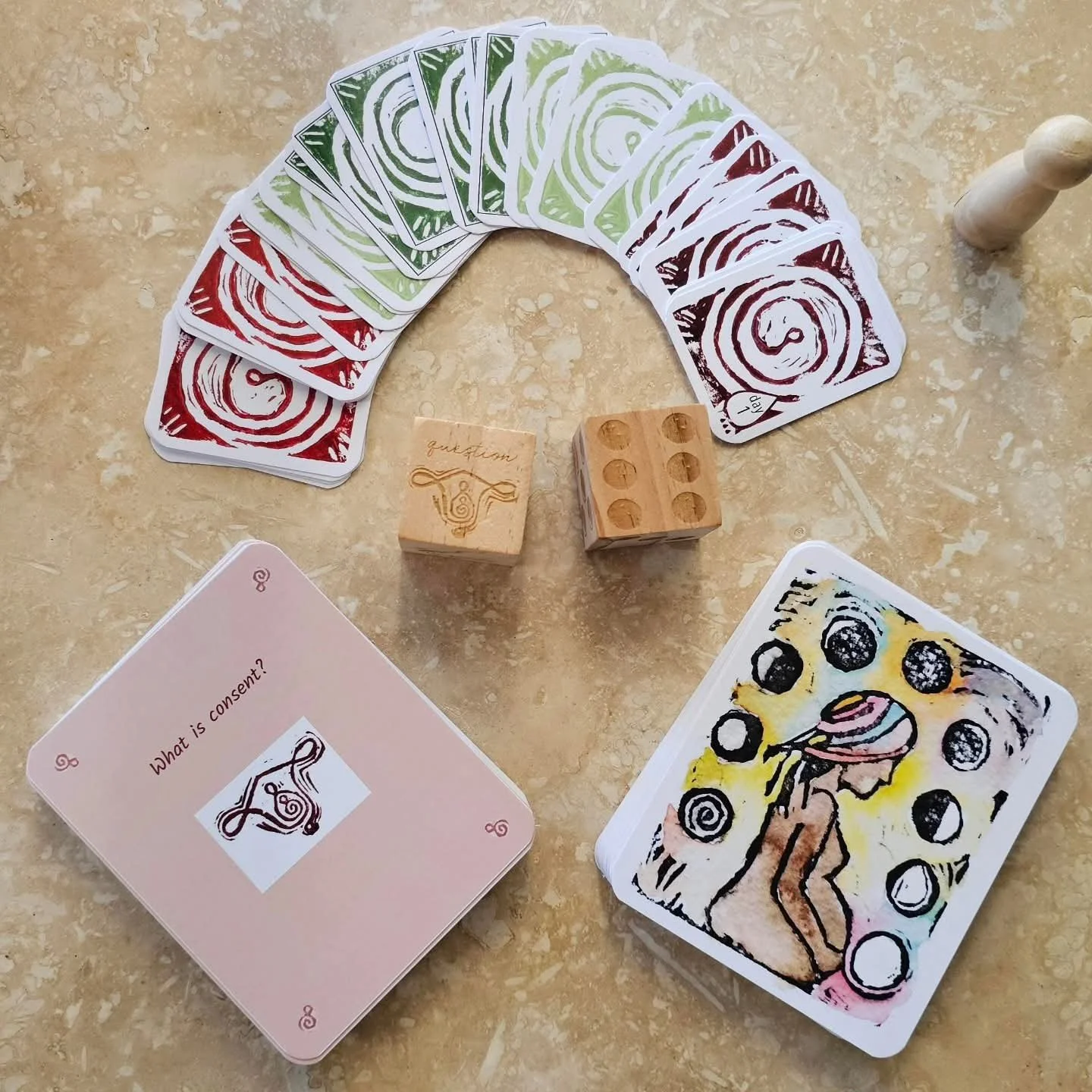
Know Your Flow is an interactive learning tool that introduces students to reproductive health and body literacy in a way that is joyful, age-appropriate, and rooted in relationships. It invites young people to understand their bodies with curiosity and confidence.
It also honors the generations of stewards of community health: our kūpuna, midwives, pale keiki, and the network of allied healthcare providers who have supported Hawaiʻi communities for centuries. These keepers of knowledge have walked with families through the sacred passages of life, protecting, guiding, and representing the capacity to return to balance.
Know Your Flow helps students, parents, and educators reclaim body wisdom and prepares the next generation to care for themselves and their communities. Families who have joined mother–daughter circles have expressed deep appreciation for the safe space and the shared language it creates. When young people and their caregivers learn together, confidence grows on both sides.
LCBC is currently working with these North Hawaiʻi schools:
- Hawaiʻi Preparatory Academy
- Kohala Middle School
- Kanu o ka ʻĀina Charter School
- Parker School
- Waikoloa Elementary & Middle School
- Waimea Country School
- Waimea Middle School
LCBC values strong partnership with educators and parents. Teachers hold daily relationships with students, and parents are the primary guides of their children. Our approach is collaborative: we offer tools, circles, and resources that support both the classroom and the home. When educators and families feel equipped, students receive consistent, respectful messages about their developing bodies.
Schools, educators, and families are invited to participate, offer feedback, and help us refine how body literacy and reproductive health education can best serve our communities.
Get in touch: lehuacommunitybirthcenter@gmail.com
Through the generous support of the Richard Smart Fund, LCBC is building relationships with schools in North Hawaiʻi. As more funding comes in, we intend to expand across the island. LCBC warmly invites partnership and input to shape this program.
Some schools operate under the broader framework of Hawaiʻi Career Pathways, which bridges high school projects into post-secondary planning and connects students to programs like Good Jobs Hawaiʻi and Hana Career Pathways. These programs offer free short-term training and certification support for entry-level positions like Certified Nurse Aide (CNA), phlebotomist, or medical assistant.
Find your school’s offerings: Public schools · Charter schools · Private schools
- Honokaʻa High & Intermediate (Honokaʻa): Hawaiʻi Academies provide engaging, relevant, rigorous programs so all students are college, career, and community ready. Also home to an EMS Program of Study.
- Ka ʻUmeke Kāʻeo (Hilo): collaborates with the Hawaiʻi Island Area Health Education Center (AHEC), which runs a free, year-round pipeline program for local students.
- Kaʻū High (Kaʻū): part of the Hawaiʻi Academies career pathways network, connecting students to health services and local medical resources. Seniors pursuing healthcare can apply for the Kaʻū Hospital Charitable Foundation Scholarships and Hawaii Emergency Physicians Associated (HEPA) scholarships.
- Ke Kula ʻO ʻEhunuikaimalino (Kealakekua): offers the Hoʻonaʻauao Ola health literacy program, including wellness guidelines, sexual health education (hoʻonaʻauao loakino), sexual violence prevention, and many resources in ʻŌlelo Hawaiʻi and English.
- Keaʻau High (Keaʻau): a Health Services CTE pathway alongside college readiness and dual-credit programs. Upward Bound and the Hawaii Educational Talent Search (HETS) guide students toward medical, vocational, or university health programs.
- Kealakehe High (Kailua-Kona): a Health Services Career Pathway within Hawaiʻi’s CTE program.
- Hilo High (Hilo): structured healthcare and nursing pathways, student organizations, and regional partnerships, including the Hoʻoulu Academy: Nursing Services Pathway.
- Kohala High (Kapaʻau): the CTE Academy of Sustainability offers hands-on experiences in and out of the classroom, including pathways into nursing and emergency medical services.
- Konawaena High (Kealakekua): a Health Services Pathway CTE covering Clinical Health, EMS, Health Information, Medical Biotechnology, Nurse’s Aide Training, and Nutrition.
- Pāhoa High (Pāhoa): healthcare career paths through the Hawaiʻi Island Pre-Health Career Corps (PHCC).
- Waiākea High (Hilo): healthcare training through partnerships like IslandCPR at the Waiākea High School Lab and the Pre-Health Career Corps (PHCC).
- Connections Public Charter School (Mountain View): personalized, project-based, experiential learning rather than specific clinical career majors.
- Hawaiʻi Academy of Arts & Science (Pāhoa): a Health Services pathway within its CTE program.
- Hawaiʻi Technology Academy (Kona): students build customized plans through Career-Based Learning (CBL) and statewide counseling support.
- Kanu o ka ʻĀina (Waimea): hands-on, community-based CTE within a culturally driven, Indigenous approach connecting students with sustainable agriculture, community well-being, and health fields.
- Ke Ana Laʻahana (Hilo): integrated career pathways, college counseling, and cultural-academic curricula toward healthcare and STEM.
- Laupāhoehoe Community Public Charter School (Laupāhoehoe): regional collaborations such as a Health Care Medical Assisting class through Hawaiʻi Community College.
- West Hawaiʻi Explorations Academy (Kailua-Kona): healthcare career preparation built into its Project-Based Learning model, with required capstones and real-world internships.
- Christian Liberty Academy (Keaʻau): foundational entry points into healthcare through vocational and dual-credit programs.
- Hawaiʻi Preparatory Academy (Waimea): a customizable pre-professional college-prep framework, inquiry-based science, regional partnerships, and summer opportunities.
- Ke Kula Kiʻekiʻe (Keaʻau): health career programming anchored by a workforce partnership with Hawaiʻi Pacific Health, including CNA and immersion experiences focused on Native Hawaiian health disparities.
- Makua Lani Christian Academy (Kailua-Kona): rigorous college-prep STEM and science curriculum as a foundation for healthcare careers.
- Parker School (Waimea): clinical and career exposure such as visits to Queen’s North Hawaiʻi Community Hospital to explore pharmacy, diagnostic lab services, and ambulatory clinics.
- Saint Joseph High School (Hilo & Keaʻau): connects students to healthcare pathway programs, volunteering at Hilo Medical Center, and summer academies for juniors and seniors.
Students can take college prerequisite courses (like anatomy, biology, or psychology) while still in high school through Programs of Study, AP classes, and dual-credit coursework. This shortens the time and cost of a future degree. Technical certifications prepare students 18 and older for high-demand healthcare roles right after graduation.
| Program | Where it’s offered |
|---|---|
| Early College Dual Credit | Hilo High, Honokaʻa High, Ka ʻUmeke Kāʻeo, Kanu o ka ʻĀina, Kaʻū High, Ke Kula ʻO ʻEhunuikaimalino, Keaʻau High, Kealakehe High, Kohala High, Konawaena High, Pāhoa High, Waiākea High |
| Running Start | Kō Education Center |
| AP Courses | Honokaʻa High, Kealakehe High, Konawaena High, Ke Kula ʻO ʻEhunuikaimalino, Kohala High, West Hawaiʻi Explorations Academy, Kanu o ka ʻĀina, Hawaiʻi Preparatory Academy, Parker School, Makua Lani Christian Academy |
| EMS Program of Study | Honokaʻa High |
Available through local schools, community organizations, and state initiatives:
- The CANOE Academy (Create and Navigate Opportunities in Education): a Hawaiian-focused pipeline hosted by the John A. Burns School of Medicine. A free, intensive summer residential experience awarding university credits, mentorship, and certifications (such as CPR-First Aid and OSHA) for students from underrepresented backgrounds.
- Chamber of Commerce Hawaii: grant-funded workplace visits, mock interviews, mentorships, and paid internships through statewide networks.
- Good Jobs Hawaiʻi (UH Community Colleges): training and career connections. Check prerequisites or dual-enrollment availability through their high school info page.
- Hawaiʻi Technology Academy: career-based and service-learning options with 60 hours per semester alongside community mentors, ending with a final presentation.
- Hawaiʻi Career Pathways: career opportunities including Health Services, supported by student organizations like FFA, HOSA, DECA, and SkillsUSA.
- ʻEwalu Industries / Workforce Advancement Initiative: connects West Hawaiʻi/Kona public schools with employers for internships, career fairs, and hands-on projects.
- Hawaiʻi Island AHEC Pre-Health Career Corps (Hilo Benioff Medical Center Foundation): a FREE year-round program with one-on-one mentoring, shadowing, hands-on workshops, volunteering, training, and research opportunities.
- HOSA – Future Health Professionals: a student-led organization building leadership and technical skills for future healthcare workers.
- Huiana Internship Program (Hawaiʻi Island Workforce & Economic Development ʻOhana): coordinated 60-hour career pathway internships for local students. Check with your school counselor about current availability.
- Vibrant Hawaiʻi: island-wide community engagement building accessible career pathways that link youth aspirations with local jobs.
GEAR UP Hawaiʻi (Hawaiʻi P-20) partners with schools to provide academic counseling, career exploration, and financial aid navigation for low-income and first-generation college students heading into high-demand fields like healthcare, plus college-access resources for entering health programs at University of Hawaiʻi campuses.
Graduating seniors pursuing healthcare degrees can also apply for local awards:
- Hawaii Emergency Physicians Associated (HEPA) scholarship for graduating seniors (past cycles: Hawaiʻi Preparatory Academy, Parker School, Kohala High, and Kanu o ka ʻĀina)
- Kaʻū Hospital Charitable Foundation Scholarships
Once enrolled in a healthcare program, Hawaiʻi County residents can also apply for the Queen’s North Hawaiʻi Community Hospital Medical Staff Scholarship. Check for the current year’s form.
Direct2UH gives public high school seniors with a 2.7 GPA or higher free, automatic conditional admission to participating University of Hawaiʻi campuses, including UH Hilo, UH West Oʻahu, and UH community colleges statewide, without a traditional application.
At 18, graduating students can earn entry-level certifications (BLS, phlebotomy, CNA, and more) that allow them to work in the field right after high school. See entry-level certifications.
LCBC welcomes educators and employers to contact us for training, funding opportunities & job posts: lehuacommunitybirthcenter@gmail.com
For anyone interested in stepping into birth work or learning more about birth, this hands-on training series introduces the full scope of midwifery care and prepares you to confidently support midwives through labor, birth, and postpartum care.
A valuable experience for students interested in midwifery, perinatal care, or becoming a doula. Offered without a fee through the generous support of the Richard Smart Fund.
Family birth classes and practitioner workshops focused on reclaiming ancestral practices and cultivating connection as ways to nurture healthy, happy births. Key teachings include:
- Hoʻoponopono: harmonious relationships
- ʻAi Pono: cultural perspectives on prenatal nutrition for mother and child
- Lomilomi: between mākuakāne and mākuahine, to promote trust and healing and strengthen the relationship
- Moʻomeheu: cultural practices surrounding childbirth and labor
- Mālama ʻIewe: reconnecting with Hawaiian traditions of care for ʻiewe
- Birth Plan: honoring keiki, makua, pale keiki (midwife), ʻohana, ʻāina, hale (home), akua, hōʻailona (signs)
- Hānai Waiū (breastfeeding): creating a strong support system for breastfeeding success
- Lāʻau Lapaʻau: for use during pregnancy, birth, breastfeeding, and beyond
Hawaiʻi Career Pathways, a Hawaiʻi P-20 Partnership for Education initiative, maintains detailed maps for Nursing Services, Diagnostic Services, Public Health Services, Human Performance Therapeutic Services, and Emergency Medical Services. With support from the Richard Smart Fund, LCBC is building an additional map for Community & Preventative Health Services, covering midwifery and all allied healthcare providers related to the midwifery model of care.
Common entry-level training options:
- Nursing: Basic Life Support (BLS), Phlebotomy, Certified Nursing Assistant (CNA)
- Diagnostic: BLS, Phlebotomy
- Public health: BLS, Community Health Worker (CHW), Medical Assistant, Medical Reimbursement Specialist, Medical Receptionist & Patient Services, Mental Health Technician, Registered Behavior Technician (RBT)
- Human performance / therapeutic: BLS, Personal Trainer, Licensed Massage Therapist, Certified Pharmacy Technician
- Emergency medical: BLS, Phlebotomy
Post-high school students are welcome to reach out to LCBC for guidance, train as a midwife assistant, or apply for mentoring support as a midwifery student.
Good Jobs Hawaiʻi is funded by federal and philanthropic grants and offers a 100% tuition subsidy covering training, books, and industry certification exam fees. Programs run through the University of Hawaiʻi Community College system.
Workforce Innovation and Opportunity Act (WIOA): if you are an eligible adult, a dislocated worker, or meet certain low-income criteria (such as receiving SNAP, TANF, or UI), this federal program covers tuition, fees, and essential wrap-around support like bus passes, child care, or uniform costs.
Because entry-level healthcare roles are in high demand across the islands, healthcare networks heavily subsidize training in exchange for employment commitments.
Healthcare network sponsorships: Hawaiʻi Pacific Health frequently partners with organizations like the Academy for Healthcare Innovation (AHI) to offer fully sponsored Nurse Aide Training Programs. They pay full tuition up front, and after you graduate and pass the state exam, you move directly into a clinical position at competitive wages.
Rural healthcare incentives: The Hawaiʻi/Pacific Basin Area Health Education Center (AHEC) periodically offers programs covering 100% of tuition and fees for health certifications, if you commit to working in a designated rural area of Hawaiʻi for a set period after completion.
OHA partners with outside providers, so how you apply and how much tuition support you receive depends on the partner organization handling the grant.
Goodwill Hawaiʻi Career Services: OHA often collaborates with Goodwill Hawaiʻi on targeted vocational tuition assistance for certifications that lead directly to high-wage, in-demand careers such as Certified Nurse Aide (CNA), Medical Assistant, and Commercial Driver’s License (CDL).
CNA & MA tuition assistance: independent healthcare training schools use OHA grant allocations to absorb student costs. For example, students in Island CPR’s Medical Training can apply for OHA Career Pathways tuition support to offset course fees.
Healthy Mothers Healthy Babies offers a Community-Based Doula Program where you can receive training and then support families in need.
Entry-level jobs are available across regional hospitals, long-term care facilities, and local nursing centers, including:
- Certified Nurse Aide (CNA)
- Massage therapist
- Phlebotomist
- Caregiver / home health aide
- Patient care technician & dialysis patient care technician
- Community health worker
- Medical assistant & patient service representative
- Personal trainer
- Pharmacy technician
LCBC welcomes educators and employers to contact us for training, funding opportunities & job posts: lehuacommunitybirthcenter@gmail.com
Through Hawaiʻi Community College’s Counseling, Advising, and Support Services Center (CASSC), prospective students can learn about pathways into their field of interest.
New: “First Year Here at Kō.” A structured pathway at the Kō Education Center in Honokaʻa that lets students complete all first-year general education requirements locally. Classes are scheduled in the mornings to help students balance school with family, work, and community responsibilities.
Hawaiʻi Community College offers an Associate in Science in Nursing (ASN-RN) and a Certificate of Achievement in Practical Nursing (CA-PRCN). Both prepare students for licensure exams, with BSN transfer pathways available through partner universities.
Next step: UH Hilo BSN & RN-to-BSN.
A Certificate of Competence focused on outreach, care coordination, and health education, and an entry point into public health fields. LCBC can support CHWs who want to specialize in perinatal education.
Partner-led certification courses for roles such as Clinical Medical Assistant (CCMA), Medical Billing and Coding, Sterile Processing, Phlebotomy, Pharmacy, and EKG Technician.
Options for Hawaiʻi Island students interested in public health at the community college level:
- Community Health Worker (CO): this certificate is an entry point into public health fields.
- Liberal Arts transfer route: many students complete an Associate in Arts (AA) in Liberal Arts at Hawaiʻi CC to cover general education requirements, then transfer into a four-year program such as the Bachelor of Arts in Public Health at UH Mānoa.
- Distance learning: Hawaiʻi CC’s University Center partners with other UH campuses to deliver distance programs. For example, you can eventually complete a hybrid/online Master of Public Health through UH Mānoa while living on Hawaiʻi Island.
- Kauaʻi CC offers a dedicated Certificate of Competence in Public Health that aligns directly with a public health bachelor’s degree.
The four basic types of financial aid are grants, scholarships, work-study, and student loans. Grants (based on financial need) and scholarships (based on academic merit) generally do not have to be repaid. Work-study funds part-time jobs for students with financial need. Student loans are borrowed money that must be repaid, usually with interest and fees.
UH Opportunity Grant & Federal SEOG
For qualifying students with financial need. Priority deadline: March 1. To qualify for the UH Opportunity Grant at Hawaiʻi CC (or any UH campus):
- Demonstrated financial need, based on your FAFSA results.
- Enrollment: at least half-time (6+ credits) in a degree-applicable program.
- Academic standing: maintain Satisfactory Academic Progress, meaning a minimum 2.0 cumulative GPA and a 67% credit completion rate.
- Limited funding: awarded first-come, first-served until funds run out.
The Hawaiʻi Community College Financial Aid Office offers tuition assistance programs for eligible students. Deadlines are typically March 1.
- Hawaiʻi Promise Program: free in-state tuition for qualified UH Community College students, covering direct education costs not met by other aid. It covers up to 95% of tuition and mandatory fees, and you keep your federal Pell Grant and private scholarships for living expenses like housing, food, and transportation.
- Native Hawaiian Tuition Waiver: waives part or all of your direct tuition. It covers tuition at your home campus only, not mandatory student fees (such as activity or publication fees) or classes at other UH campuses.
- Second Century Scholars: need-based and works like a cash-equivalent grant funded by the university system. Because it is a grant rather than a strict tuition waiver, it can help with both direct school costs and indirect educational costs, depending on your overall aid package.
Hawaiʻi CC has partnered with ECMC Solutions to provide free student loan counseling and borrower support for current and former students navigating Federal Student Loan repayment.
Are you pursuing entry-level service as an ASN-RN, a CHW (CO) specializing in perinatal education, a licensed massage therapist, midwife assistant, or lactation counselor? Or would you like to host a community enrichment class? Contact LCBC to learn how our Community Enrichment and Midwifery Pathways Programs can support your journey.
LCBC welcomes educators and employers to contact us for training, funding opportunities & job posts: lehuacommunitybirthcenter@gmail.com
Rural health clinics with employment opportunities, including for Native Hawaiian cultural practitioners:
- Kīpuka o ke Ola: an independent rural health clinic and DHHL beneficiary-led organization in Waimea, committed to serving North Hawaiʻi residents with high-quality comprehensive healthcare from prenatal care to the end of life.
- Hui Mālama Ola Nā ʻŌiwi: provides Hawaiʻi Island communities with primary healthcare, health enhancement services and programs, traditional Hawaiian healing, support groups, community health and navigation services, and community health events.
There are three recognized tracks into professional midwifery: Certified Midwife (CM-Rx, LM), Certified Nurse-Midwife (APRN/CNM), and Certified Professional Midwife (CPM, LM). Each has its own educational and licensing path. LCBC mentors midwifery students on all three.
In Hawaiʻi, undergraduate and graduate programs for these credentials are available only through remote or apprenticeship programs. If you are seeking an advanced practice credential, you can complete an undergraduate degree here and then apply to remote MS Midwifery programs, with or without a nursing credential.
CPM resources · CM & CNM resources
Interested? Contact LCBC: lehuacommunitybirthcenter@gmail.com
CPM candidates have several remote options and local apprenticeship opportunities to become eligible for the NARM exam. Current remote programs are listed by MEAC (Midwifery Education Accreditation Council).
To learn more about the CPM credential, see the National Association of Certified Professional Midwives (NACPM), the North American Registry of Midwives (NARM), and the professional member organization Hawaiʻi NACPM.
CPMs and LMs considering a CM graduate program: see CM & CNM resources.
The CM and CNM credentials require a master’s degree. To understand how to complete an undergraduate degree in Hawaiʻi that meets the prerequisites for these programs, or if you are a CPM/LM considering a CM graduate program, see the American College of Nurse-Midwives (ACNM), the American Midwifery Certification Board (AMCB), and the professional member organization Hawaiʻi Affiliate of ACNM (HAA).
See the remote graduate CM/CNM programs.
The University of Hawaiʻi at Hilo offers transcultural, community-focused nursing pathways:
- Bachelor of Science in Nursing (BSN): a traditional 4-year degree focused on rural healthcare and community engagement.
- RN to BSN Pathway: a bridge program for working Registered Nurses with an associate degree who want to complete a bachelor’s.
For CNM: a BSN plus RN licensure prepares you to apply to remote nurse-midwifery programs.
UH Hilo offers a range of undergraduate and certificate programs in healthcare and population health, mostly within the College of Natural and Health Sciences. UH Hilo does not have a standalone School of Public Health, but it builds strong public health, Indigenous health, and community health pathways into its healthcare degrees.
- B.A. in Kinesiology and Exercise Sciences (Health Promotion Track): built around community health, epidemiology, and healthcare administration, with a focus on population health behaviors, lifestyle interventions, and health education.
- Indigenous Public Health Certificate: traditional, cultural, and Indigenous perspectives on community wellness, health disparities, and healthcare delivery in Hawaiʻi and the Pacific.
- Health Care Administration Certificate: prepares students for the management and policy side of public health agencies, nonprofits, or hospital networks.
UH Hilo lets students tailor foundational degrees toward medical, clinical, and health careers. Any of these can also serve as the bachelor’s degree for a future CM program:
- B.B.A. in Business Administration (Health Care Management Concentration): leadership, financing, and logistics of healthcare delivery.
- B.A. in Anthropology (Medical Anthropology Track): how social, cultural, and biological factors influence human health, disease patterns, and healthcare systems.
- B.S. in Biology (Cell, Molecular, and Biomedical Sciences Track): widely used as a pre-med or pre-dental track focused on human biology and biomedical science.
Hawaiʻi Pacific University offers Hawaiʻi’s first 3-year bachelor’s program. Students on Hawaiʻi Island can complete HPU courses or degree programs remotely through HPU’s online offerings.
HPU has also received a $10 million, five-year grant to fully fund tuition for healthcare professional students who commit to caring for patients in rural Hawaiʻi for five years after graduation.
Because CPM programs often don’t qualify for traditional federal Title IV student loans, private grants and foundation awards are a critical resource:
- Pacific Birth Collective: last year offered funds for CPM students through its “Birthworker Seeking Education” fund. Check back for updates.
- NAABB Black Midwifery Scholarship: the National Association to Advance Black Birth gives national awards of $1,000 to $10,000 to incoming or active student midwives of African descent (CPM, CNM, CM, or direct-entry) for textbooks, clinical supplies, and board exam fees.
- Tanya Khemet Taiwo Midwifery Student Scholarship (NACPM): annual tuition grants (typically $5,000) for Black or Indigenous second- and third-year CPM students in MEAC-accredited schools.
- The Bigger Table Fund (NACPM): up to $1,000 per person for NARM board exam fees, testing costs, and initial state licensing fees for student midwives of color, Indigenous, and/or LGBTQIA2S+ individuals.
- Claudia Booker Memorial Midwife Scholarship (Mercy In Action College of Midwifery): covers the final two years of full tuition for Black, African American, American Indian, or Alaska Native students who maintain a 3.0+ GPA and secure a clinical apprenticeship.
- Monarch Midwives NARM Scholarship: covers out-of-pocket administrative costs such as NARM exam fees, background fingerprinting, state licensing, and testing travel.
- The Midwife Foundation (formerly the A.C.N.M. Foundation): administers the main scholarships and educational grants for ACNM student members, distributing more than $25,000 a year to students in ACME-accredited midwifery programs.
- HRSA Midwifery Education Set-Aside: a federal program from the Health Resources and Services Administration that sends millions directly to accredited nurse-midwifery graduate programs for full-tuition scholarships covering the whole program. Ask whether the schools you are considering have these funds.
- National Health Service Corps (NHSC) Scholarship: for full-time nurse-midwifery students in accredited master’s or doctoral programs. Covers full tuition, required fees, and a monthly living stipend in exchange for a two-year commitment to practice in a federally designated Health Professional Shortage Area (HPSA) after graduation.
- Hawaiʻi Pacific University: a $10 million, five-year grant fully funds tuition for healthcare professional students who commit to caring for patients in rural Hawaiʻi for five years after graduation.
The Hawaiʻi Healthcare Education Loan Repayment Program (HELP) is a major state workforce initiative funded largely by the Hawaiʻi State Legislature and philanthropic donations. It is more flexible than traditional programs because it doesn’t limit you to working at a nonprofit clinic. See the HELP website for credentials eligible at the undergraduate level.
Are you pursuing business administration, a BSN, or a related program locally? Or a BSN to an MS Midwifery program toward APRN/CNM, or the Certified Professional Midwife credential through a remote program? Contact LCBC to learn how our Community Enrichment and Midwifery Pathways Programs can support your journey.
LCBC mentors midwifery students on all three recognized tracks: CM, CNM, and CPM.
LCBC welcomes educators and employers to contact us for training, funding opportunities & job posts: lehuacommunitybirthcenter@gmail.com
The Doctor of Nursing Practice (DNP) at UH Hilo is a terminal clinical degree accredited by the Commission on Collegiate Nursing Education (CCNE). With a strong focus on transcultural nursing, health equity, and rural primary care, it prepares advanced practice nurses to serve vulnerable and underserved island communities.
The Thompson School’s Department of Public Health Sciences offers the MPH with specializations in epidemiology, health policy and management, Native Hawaiian and Indigenous health, and social and behavioral health sciences.
No MS Midwifery program exists in Hawaiʻi yet. These remote programs are familiar to Hawaiʻi-based midwifery students:
- Frontier Nursing University: CNM, FNP, WHNP, PMHNP, DNP, MSN
- Georgetown University: dual WHNP/CNM program
- University of Cincinnati: MSN in Nurse-Midwifery
- University of Colorado Anschutz (CM & CNM): MS Midwifery or MS Nurse-Midwifery
- Shenandoah University: CNM
- Thomas Jefferson University: CM, MS Midwifery
Contact LCBC to learn how we can support this pathway: lehuacommunitybirthcenter@gmail.com
Serving as a fellowship site for recent midwifery graduates is one of LCBC’s foundational aims. It builds competence and confidence and, importantly, makes it possible for Hawaiʻi-based graduates to use loan repayment programs like HELP. A number of FQHCs, RHCs, and local nonprofits may also meet these programs’ requirements.
Hawaiʻi Healthcare Education Loan Repayment Program (HELP)
A major state workforce initiative. It is more flexible than traditional programs because it doesn’t limit you to working at a nonprofit clinic.
- Award: up to $50,000/year ($100,000 total) for full-time APRNs; up to $25,000/year for part-time APRNs.
- Eligibility: hold an active license, provide direct clinical care to local patients, and have at least 30% of patient care claims from public insurance (such as Medicaid, Medicare, or QUEST).
- Commitment: a two-year service obligation anywhere in Hawaiʻi.
Hawaiʻi State Loan Repayment Program (HSLRP)
A federally backed state grant for primary care and behavioral health providers in designated high-need areas.
- Award: varies by cycle; paid directly toward qualifying educational loans in exchange for service.
- Eligibility: completion of an accredited graduate training program and an active, unrestricted Hawaiʻi license.
- Medical & nursing providers: MDs, DOs, Nurse Practitioners, Certified Midwives (CMs), Certified Nurse-Midwives (CNMs), Physician Assistants, and Registered Nurses.
- Mental & behavioral health: Health Service Psychologists, LCSWs, LPCs, MFTs, Psychiatric Nurse Specialists, master’s-level Licensed Alcohol and Substance Abuse Counselors, and Registered Dietitians.
- Work sites: an approved public or nonprofit entity in a federally designated HPSA in Hawaiʻi, including FQHCs, rural health clinics, and certain correctional facilities.
- Commitment: two years. Employers or regional partners must provide matching funds equal to half the award.
Federal HRSA Nurse Corps Loan Repayment Program
Run nationally by HRSA, with priority for advanced practice nurses.
- Award: up to 60% of qualifying nursing student loans over a two-year contract, plus an additional 25% of the original balance for an approved optional third year.
- Eligibility: licensed APRNs (including NPs, WHNPs, and CNMs) working full-time.
- Work sites: an approved Critical Shortage Facility in a high-scoring HPSA.
LCBC is building a sustainable workplace for midwives. We are establishing a fellowship and orientation option so recent BS and MS graduates can gain experience before job placement at a Hawaiʻi clinic, hospital, or private practice. We are also expanding support for practicing private-practice midwives who want to grow their care through private and public insurance.
A fellowship site helps new midwives build competence and confidence, and lets Hawaiʻi-based graduates use loan repayment programs like HELP.
LCBC welcomes educators and employers to contact us for training, funding opportunities & job posts: lehuacommunitybirthcenter@gmail.com
Middle school is a critical time in a child’s life. Bodies are changing, questions are rising, and the foundations of self-worth and health literacy are being formed. When we engage this age group with accurate information, cultural grounding, and supportive partnership, we reduce shame, increase confidence, and prevent the isolation that so often comes with puberty. Education at this stage is about cultivating curiosity and modeling respect for self and others.
LCBC offers programs that build body literacy and familiarity with midwifery, including the generational lineage of pale keiki, traditional birth attendants, credentialed pathways, and allied healthcare providers.
Learn
Funding
A number of Hawaiʻi Island high schools offer healthcare-track coursework. LCBC brings reproductive health literacy and career awareness to health classes and career days, continuing from the middle school offerings and introducing career pathways.
Across Hawaiʻi County, roughly half of public high school graduates go on to college the first fall after graduating, just under the state’s long-term goal of 65%. Students who take dual-credit or early-college courses in high school enroll in college at nearly double the rate of their peers.
Learn
Funding
Work
Healthcare careers in Hawaiʻi begin in many places, and a short certification can be a powerful first step. It leads to paid work, hands-on experience, and a clearer sense of where to go next.
Here you’ll find entry-level training options by career type, tuition assistance that can cover much or all of the cost of non-degree programs, and the ways LCBC can walk alongside you. Whether you’re a recent graduate, a parent returning to work, or changing careers, we hope you find the next step that fits your life.
Learn
Funding
Work
Community college training, certifications, and associate degrees let learners and career-changers combine dual-enrollment or early-college credits with local coursework to earn entry-level credentials.
Hawaiʻi Community College has campuses in Hilo and Kailua-Kona and a new satellite in Honokaʻa, the Kō Education Center. It offers several healthcare, nursing, and medical training programs. Prospective students can learn about pathways into their field through the Counseling, Advising, and Support Services Center (CASSC).
Learn
Funding
Work
Many health-related undergraduate pathways are available locally through the University of Hawaiʻi at Hilo.
For those pursuing the profession of midwifery, there are three recognized tracks: Certified Midwife (CM-Rx, LM), Certified Nurse-Midwife (APRN/CNM), and Certified Professional Midwife (CPM, LM). Undergraduate and graduate programs for these credentials are only available through remote or apprenticeship programs. If you are seeking an advanced practice midwifery credential, you can complete an undergraduate degree in Hawaiʻi and then apply to remote graduate MS Midwifery programs, with or without a nursing credential. Contact LCBC to learn more.
Learn
Funding
Work
There is currently no in-state MS Midwifery program in Hawaiʻi. There are, however, remote programs familiar to Hawaiʻi-based midwifery students. In nursing and public health there are in-state graduate and PhD programs, and we are proud that a number of midwives have gone on to complete PhDs. Their presence in the University of Hawaiʻi system spans decades.
Learn
Funding
Work
Become a registered nurse first, then complete a remote master’s in nurse-midwifery.
- Education
- RN (ASN or BSN, available locally), then a remote master’s in nurse-midwifery
- Nursing required?
- Yes
- Certification
- AMCB
- Learn more
- ACNM · AMCB · Hawaiʻi Affiliate of ACNM
- Funding
- HRSA set-aside, NHSC Scholarship; HELP (up to $50k/yr for APRNs), HSLRP, Nurse Corps
The path, step by step
- 1Middle School · LearnKnow Your Flow game & circlesBody literacy for youth & families
- 2High School · LearnHealthcare-track courseworkCareer pathways & certification prep
- 3Certifications · LearnEntry-level certifications by careerCNA, BLS, CHW, phlebotomy & more
- 4Community College · LearnNursing: ASN-RN & Practical NursingHawaiʻi Community College
- 5University · LearnUH Hilo Nursing: BSN & RN-to-BSNSchool of Nursing
- 6Graduate School · LearnRemote CM & CNM programs6 programs familiar to Hawaiʻi students
- 7Graduate School · FundingLoan repayment programsHELP · HSLRP · Nurse Corps
- 8Graduate School · WorkLCBC fellowship & sustainable practiceBegin your career at home
Earn a bachelor’s here at home, then a remote master’s in midwifery. Nursing isn’t required.
- Education
- Bachelor’s degree in Hawaiʻi, then a remote master’s in midwifery
- Nursing required?
- No. CPMs and LMs can also bridge to a CM
- Certification
- AMCB
- Learn more
- ACNM · AMCB · Hawaiʻi Affiliate of ACNM
- Funding
- Midwife Foundation scholarships; HSLRP loan repayment (lists CMs)
The path, step by step
- 1Middle School · LearnKnow Your Flow game & circlesBody literacy for youth & families
- 2High School · LearnDual-credit & AP coursesEarn college credit early
- 3Certifications · LearnMidwife Assistant TrainingHands-on series, no fee
- 4Community College · LearnCounseling & “First Year Here at Kō”Hawaiʻi CC · Honokaʻa
- 5University · LearnCM & CNM: building your prerequisitesBachelor’s here → remote master’s
- 6Graduate School · LearnRemote CM & CNM programs6 programs familiar to Hawaiʻi students
- 7Graduate School · FundingLoan repayment programsHELP · HSLRP · Nurse Corps
- 8Graduate School · WorkLCBC fellowship & sustainable practiceBegin your career at home
Train through an accredited program or apprenticeship, then certify with the NARM exam. Nursing isn’t required.
- Education
- MEAC-accredited programs (remote) or local apprenticeship
- Nursing required?
- No
- Certification
- NARM exam
- Learn more
- NACPM · NARM · Hawaiʻi NACPM
- Funding
- Private scholarships such as NAABB, NACPM’s Tanya Khemet Taiwo Scholarship and Bigger Table Fund, Claudia Booker, and Monarch Midwives. CPM programs often don’t qualify for federal Title IV loans.
The path, step by step
- 1Middle School · LearnKnow Your Flow game & circlesBody literacy for youth & families
- 2High School · LearnHealthcare-track courseworkCareer pathways & certification prep
- 3Certifications · LearnMidwife Assistant TrainingHands-on series, no fee
- 4University · LearnCPM: MEAC programs & apprenticeshipPrepare for the NARM exam
- 5University · FundingCPM student scholarshipsPrivate & foundation awards
- 6Graduate School · WorkLCBC fellowship & sustainable practiceBegin your career at home
Fundamental to Lehua Community Birth Center’s purpose is listening to our community’s needs and responding with sustainable support. Our enrichment offerings and Midwifery Pathways Program expand self-awareness and familiarity with generational knowledge, and introduce the midwifery model of care, related vocations and professions, mentorship opportunities, and career pathways.
This kuleana includes
- This Midwifery Pathway Map: routes into the field starting as early as middle school.
- Middle school programs that build body literacy and familiarity with midwifery, including the generational lineage of pale keiki, traditional birth attendants, credentialed pathways, and allied healthcare providers. Know Your Flow
- High school health classes & career days bringing reproductive health literacy and career awareness, continuing from the middle school offerings.
- Midwife Assistant Training: a hands-on series preparing learners to confidently support midwives in full-scope care, including labor, birth, and postpartum. Learn more
- Mentoring midwifery students on one of three recognized tracks: Certified Midwife (CM-Rx, LM), Certified Nurse-Midwife (APRN/CNM), or Certified Professional Midwife (CPM, LM).
- A sustainable workplace for midwives: a fellowship and orientation option for recent BS and MS graduates, plus support for practicing private-practice midwives who want to grow their care through private and public insurance. Learn more
Choose a path to number its steps on the map, or tap any box for details.
Three paths to midwiferyCPM · CM · CNMCPM: MEAC programs & apprenticeshipPrepare for the NARM examCM & CNM: building your prerequisitesBachelor’s here → remote master’sUH Hilo Nursing: BSN & RN-to-BSNSchool of NursingUH Hilo public & Indigenous healthHealth promotion · certificatesUH Hilo health-focused majorsBusiness · Anthropology · BiologyHawaiʻi Pacific University (remote)Hawaiʻi’s first 3-year bachelor’s
This pathway is being built by and for the people of Hawaiʻi, and is as strong as the network behind it. Share your knowledge, mentoring, and opportunities to help our learners take their next step.
Join the network
Mahalo to the generous support of the Richard Smart Fund, our Post-Grad Intern Emily Hart, MSID, and the coalition branching out across this beautiful island.